Історія трансформації міського простору в Чернігові, де громада власними руками створила екологічний оазис.
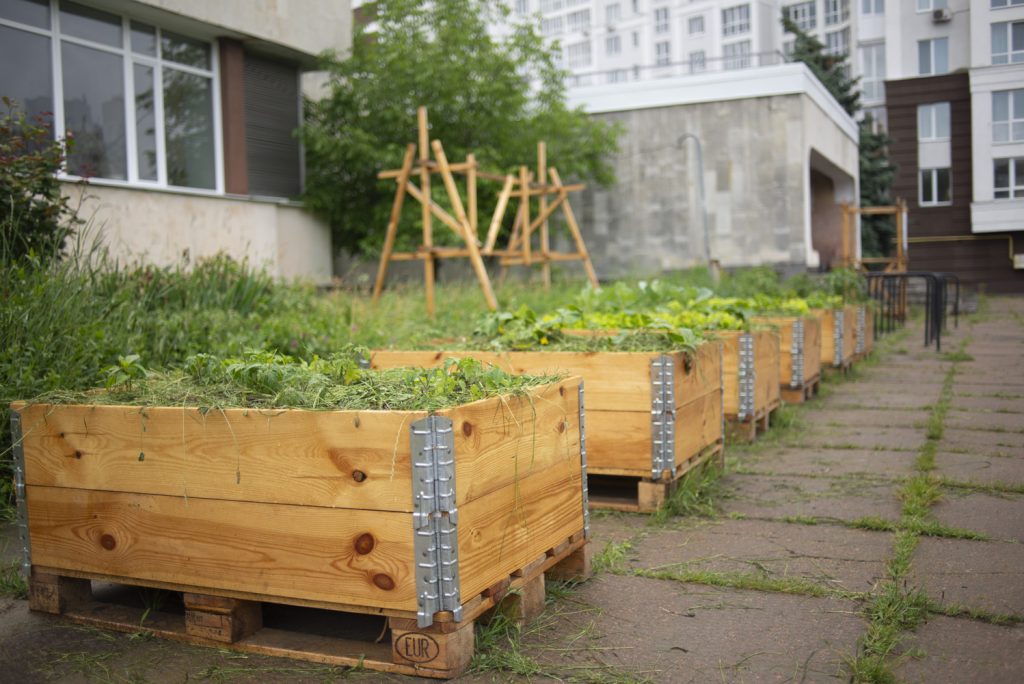
Уявіть собі величезну бетонну пустелю посеред міста. Ні дерева, ні лавки, ні тіні — лише сірі плити, що розпікаються на сонці так, що влітку по них неможливо ходити. Саме такою до 2024 року була Студентська площа в Чернігові. Розташована поруч із старим колишнім кінотеатром «Перемога», вона нагадувала про часи, коли простори проектували не для людей, а радше всупереч їм.
Але за два роки це місце перетворилося до невпізнанності. Тепер тут шелестить листя дубів і платанів, квітнуть райграс і лаванда, а на інформаційних стендах можна дізнатися, чому важливо залишати траву некошеною. Студентська площа стала живим прикладом того, як екологічне мислення змінює не лише ландшафт, а й саме місто.
Початок: коли громада сказала «досить»
Ініціатива змінити Студентську площу виникла не випадково. ГО «Еко Місто» давно працювала з темою сталого розвитку в Чернігові, і саме ця локація стала символом усього, що треба було змінити. Відсутність зелені, перегрів у спеку, повна непридатність для комфортного перебування — все це робило площу мертвою зоною в центрі міста.
У 2024 році стартував проєкт системної трансформації. Партнером виступив Національний університет «Чернігівська політехніка» — його студенти стали не просто спостерігачами, а справжніми учасниками процесу. Фінансову підтримку надали Prague Civil Society Centre та Українська кліматична мережа, а місцева компанія Valtech долучилася як локальний партнер.
Та справжнім серцем проєкту стали люди. До роботи приєдналися волонтери з Repair Together, INBUT, Chernihiv Events, БУР Чернігів. Приїхали активісти з інших міст і навіть з-за кордону. Студенти, пенсіонери, молоді сім’ї — усі, кому не байдужа доля свого міста, взялися за роботу.
Демонтаж старого світу
Перше завдання виявилося найважчим фізично: треба було зняти понад 150 бетонних плит. Кожна важила десятки кілограмів, а їхнє видалення вимагало не лише сили, а й обережності — потрібно було зняти плити цілими, щоб використати їх пізніше, і водночас підготувати основу для нового шару родючого ґрунту.
Волонтери працювали цілими днями. Хтось орудував ломами й кирками, хтось вивозив уламки, хтось готував землю до посадки. Це була справжня спільна праця — без поділу на «організаторів» і «виконавців». Кожен, хто приходив, ставав частиною команди.
Коли останню плиту нарешті прибрали, перед усіма відкрилася земля — суха, утоптана, але жива. Саме з неї мав вирости новий простір.
Сад, що дихає з містом
Наступним етапом стало озеленення. Команда висадила дев’ять дерев — дуби та платани, які з часом створять справжній зелений намет над площею. Ці породи обрали невипадково: вони стійкі до міських умов, довговічні й здатні давати густу тінь, якої так бракувало раніше.
Але дерева — це лише основа. Справжню магію створили багаторічники. Близько сотні кущів і понад дві сотні рослин утворили «Сад безперервного цвітіння» площею 500 квадратних метрів. Це не звичайна клумба з петуніями, яку висаджують щовесни й викидають восени. Це — жива екосистема, що працює цілий рік. Рослини підібрані так, щоб підтримувати одна одну: одні утримують вологу, інші відлякують шкідників, треті приваблюють запилювачів.
І так, тут справді з’явилися бджоли, джмелі, метелики. Це не просто приємна деталь — це показник того, що екосистема запрацювала. Площа перестала бути мертвим бетоном і стала частиною живого міста.
Вода, мульча і мудрість природи
Одна з найбільших проблем міських насаджень — нестача води влітку. Традиційний підхід — поливати з шланга — не лише витратний, а й неефективний: вода швидко випаровується, не встигаючи проникнути вглиб ґрунту.
На Студентській площі використали інший підхід. По всій території встановили систему крапельного поливу з мішками, які повільно віддають вологу прямо до коренів. Це дозволяє заощаджувати воду й підтримувати рослини навіть у спеку.
Другий секретний інгредієнт — мульча. Товстий шар органічного матеріалу вкриває ґрунт навколо рослин, утримуючи вологу, запобігаючи пересиханню й поступово збагачуючи землю поживними речовинами. Це давня практика, яку сучасні урбаністи знову відкривають для себе.
Ще одна важлива деталь: траву навмисно не косять. Для багатьох це виглядає незвично — живе стереотип, що «доглянуте» місто означає «підстрижений газон». Але насправді високе різнотрав’я — це дім для комах, птахів і дрібних тварин. Це природне біорізноманіття, яке робить міський простір справді живим.
Освіта просто неба
Проєкт Студентської площі — це не лише про висадку дерев. Це ще й потужна освітня платформа. За два роки тут провели понад 20 воркшопів і 10 лекцій з урбаністики, екології, кліматичних змін. Участь у них взяли понад 300 осіб.
Теми були різноманітні. Студенти архітектури вчилися проектувати публічні простори, екоактивісти ділилися досвідом, а мешканці просто приходили, щоб дізнатися, як можна зробити своє місто кращим.
Важливо, що навчання відбувалося безпосередньо на місці трансформації. Люди не просто слухали лекції — вони брали участь у створенні простору. Хтось приносив власні рослини з дому, хтось допомагав встановлювати лавки, хтось малював ескізи майбутніх зон відпочинку.
Така модель залучення формує щось більше, ніж просто гарний парк. Вона формує спільноту, яка відчуває простір своїм і готова про нього дбати.
Коли місто стає прохолоднішим
До початку проєкту Студентська площа була справжнім пеклом влітку. Це — класичний приклад «міського острова тепла», коли забудовані райони стають набагато гарячішими за природні ландшафти.
Зелень змінює цю ситуацію. Дерева створюють тінь, рослини випаровують вологу, охолоджуючи повітря. Ґрунт поглинає дощову воду замість того, щоб відразу скидати її в каналізацію. Усе це разом створює локальний мікроклімат, який робить перебування на площі комфортнішим.
Це не просто теорія. Місцеві мешканці помітили зміни вже першого літа після висадки. Тепер тут можна посидіти в тіні, відчути легкий вітер, що шелестить у листі, побачити зелень замість сірого бетону.
Зелена трансформація — це не лише про екологію. Це ще й про соціальну зміну. Студентська площа стала місцем, куди люди приходять не тому, що «треба», а тому, що хочеться.
Виклики на шляху
Звісно, не все було гладко. Демонтаж бетону виявився значно складнішим, ніж планувалося. Логістика матеріалів — від ґрунту до рослин — вимагала постійної координації. Не всі мешканці одразу зрозуміли концепцію проєкту: дехто обурювався некошеним різнотрав’ям, вважаючи його занедбаністю.
Команді довелося багато пояснювати. Розмовляти з людьми, проводити екскурсії, розміщувати інформаційні стенди. Поступово культура сприйняття міського озеленення почала змінюватися. Люди зрозуміли, що краса — це не лише підстрижений газон, а й жива екосистема.
Гроші та підтримка
Фінансування проєкту забезпечили Prague Civil Society Centre та Українська кліматична мережа. Але команда вирішила залучити ще й саму громаду. На платформі «Майстерня міста» запустили краудфандинг, зібравши 30 тисяч гривень на закупівлю багаторічників для «Саду безперервного цвітіння».
Ці гроші дозволили придбати якісний посадковий матеріал, створити систему крапельного поливу, облаштувати інформаційну інфраструктуру. Але головне — вони показали, що люди готові інвестувати в зміни, якщо бачать реальний результат
Що далі?
Сьогодні зелена зона займає близько 500 квадратних метрів, але це лише початок. З кожним роком дерева ростимуть, сад набиратиме сили, а площа ставатиме все більш затишною.
Команда «Еко Міста» планує поступово розширювати межі трансформації, залучаючи нові ділянки території. Є ідеї створити дощові сади, встановити додаткові елементи вуличних меблів, організувати регулярні освітні заходи.
Але найважливіше — це досвід, який отримала громада. Тепер у Чернігові є конкретний приклад того, що зміни можливі. Що не треба чекати «поки хтось згори щось зробить». Що можна взяти лопату, рослини, друзів — і створити нове місто просто тут і зараз.